






Table of Contents
- Introduction
- Aluminum Production and Energy: An Essential Connection
- Current State of Global Aluminum Production
- Case Studies: Real-World Impacts of Rising Energy Prices
- Forecast: Energy Cost Trends through 2025
- Consequences for the Aluminum Industry
- Mitigating Energy Costs: Strategies and Innovations
- Detailed Data Tables and Market Analysis
- Conclusion
- References
Introduction
Energy prices significantly impact aluminum production because of the energy-intensive nature of the smelting process. Aluminum manufacturing demands considerable electricity, accounting for nearly 40% of total production costs. Rising energy costs, therefore, directly affect profitability, operational stability, and market dynamics. In recent years, factors such as geopolitical tensions, shifts toward renewable energy, and fluctuating fossil fuel prices have escalated these costs, posing substantial challenges to producers globally.
This article assesses how rising energy prices will shape the aluminum industry by 2025, exploring real-world impacts, providing forecasts, and suggesting strategies for producers to manage energy costs effectively.
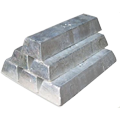
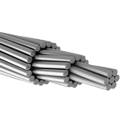
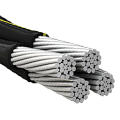
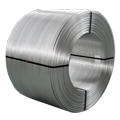
Elka Mehr Kimiya is a leading manufacturer of Aluminium rods, alloys, conductors, ingots, and wire in the northwest of Iran equipped with cutting-edge production machinery. Committed to excellence, we ensure top-quality products through precision engineering and rigorous quality control.
Aluminum Production and Energy: An Essential Connection
Aluminum is known as “solid electricity” due to the high energy required to produce it. Smelting aluminum involves electrolysis, a process that consumes approximately 13-15 megawatt-hours (MWh) of electricity per ton produced. As a result, the price and availability of electricity directly influence the economic viability of aluminum operations. Countries with lower energy costs, like Canada, Iceland, and Norway, traditionally have competitive advantages, but even these markets face pressures as global energy prices rise.
Current State of Global Aluminum Production
In 2024, global aluminum production reached about 70 million metric tons. China remains the largest producer, contributing roughly 58% of global output. However, energy scarcity, policy shifts toward greener production, and rising electricity prices increasingly affect profitability and production stability. The International Aluminum Institute (IAI) highlights that the industry’s average production cost rose by approximately 15% between 2022 and 2024, primarily due to energy expenses.
Case Studies: Real-World Impacts of Rising Energy Prices
In 2022, European aluminum producers experienced severe disruption due to soaring energy prices caused by natural gas shortages following geopolitical tensions. Producers in Germany and France reduced production capacity by up to 25%, significantly impacting their market shares and profitability. Similarly, China’s aluminum sector faced closures and production cuts due to energy rationing and heightened coal prices, highlighting how sensitive the industry is to energy cost fluctuations.
Forecast: Energy Cost Trends through 2025
Projections indicate that energy prices will continue rising moderately through 2025, driven by increased demand for electricity from electric vehicles, expanded data centers, and transitions to renewable energy. According to the International Energy Agency (IEA), electricity costs could rise another 10-20% globally by 2025. In particular, regions heavily reliant on fossil fuels could experience even sharper price spikes.
Consequences for the Aluminum Industry
Higher energy costs could drive aluminum prices upward, potentially reducing market demand and affecting profitability for energy-intensive producers. Producers in regions like Europe, China, and North America may face significant competitive pressure, potentially shifting production to regions with cheaper, renewable electricity sources. Moreover, companies may increase investments in renewable energy and energy efficiency technologies to stay viable.
Mitigating Energy Costs: Strategies and Innovations
To manage rising energy costs, aluminum producers are increasingly adopting innovative strategies, including renewable energy projects and improved energy efficiency technologies. For instance, Norsk Hydro in Norway has successfully reduced its energy expenses through extensive investments in hydroelectric power. Rio Tinto in Canada uses hydropower extensively, demonstrating that shifting to renewables is both economically viable and beneficial for sustainability.
Detailed Data Tables and Market Analysis
| Year | Average Energy Cost (USD per MWh) | Global Aluminum Production (Million Metric Tons) |
|---|---|---|
| 2022 | 85 | 68 |
| 2023 | 93 | 69 |
| 2024 | 101 | 70 |
| 2025 | 110 (Projected) | 72 (Projected) |
Source: International Energy Agency, 2024; International Aluminum Institute, 2024.
Conclusion
By 2025, rising energy costs will notably influence the global aluminum industry’s production costs, profitability, and competitiveness. Companies adapting through investments in renewable energy and enhanced energy efficiency will likely withstand these pressures more effectively. Understanding and preparing for these shifts is critical for stakeholders in the aluminum production industry.
References
International Energy Agency (IEA). (2024). Global Energy Outlook 2024. International Aluminum Institute (IAI). (2024). Aluminum Production Costs & Energy Consumption Report. BloombergNEF. (2024). Energy Prices and Commodities Market Report. European Aluminum Association. (2023). The Impact of Energy Prices on Aluminum Production in Europe. Norsk Hydro Annual Sustainability Report. (2023). Rio Tinto Sustainability & Production Report. (2023). World Aluminum Council. (2023). Global Aluminum Market Trends.

No comment